The Epitome of Opulence: Unveiling the World of Luxury Fashion
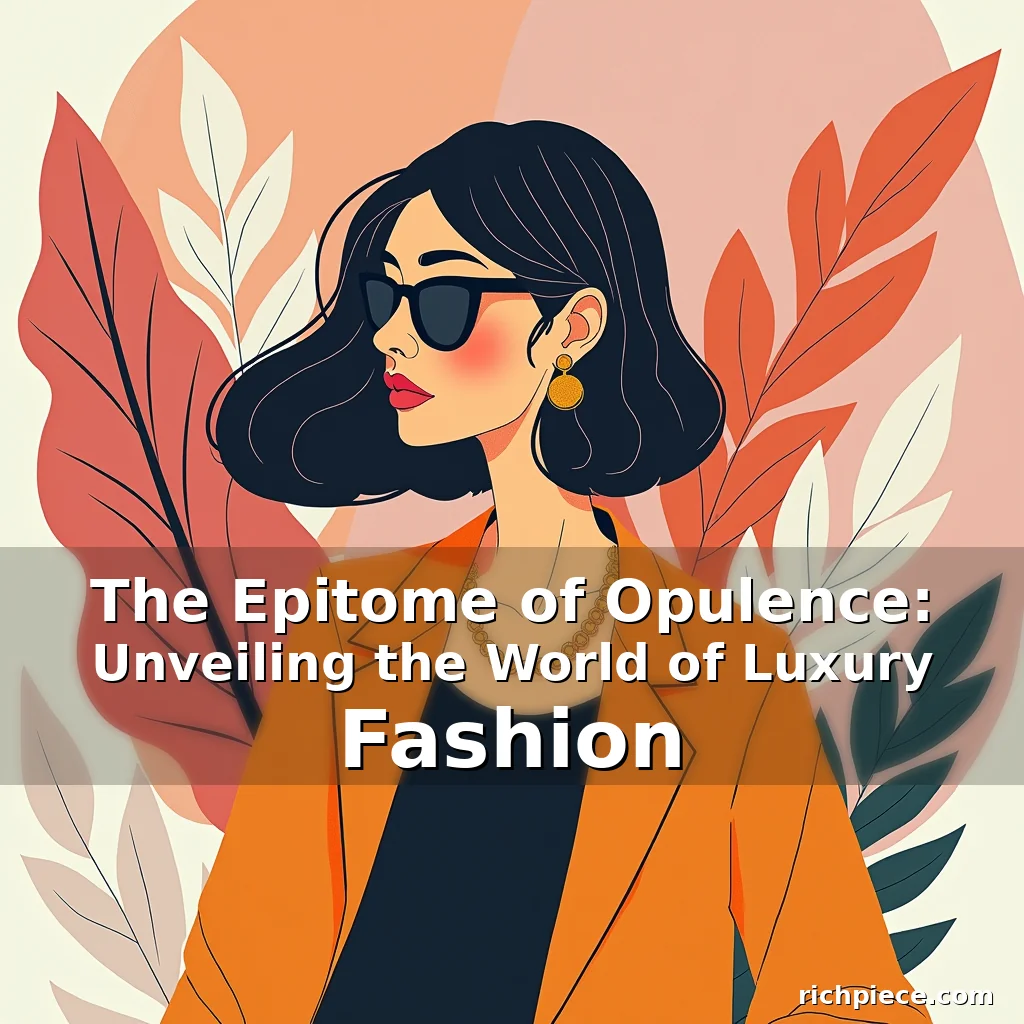
In an era where fast fashion dominates the global market, true luxury fashion remains an exclusive domain reserved for those who seek excellence beyond mere aesthetics. This world is defined by meticulous craftsmanship, heritage, and the unyielding pursuit of perfection.
Luxury fashion transcends clothing; it embodies status, legacy, and individuality. Brands such as Chanel, Gucci, and Louis Vuitton have become synonymous with sophistication, each weaving centuries-old traditions into modern designs that speak volumes without uttering a word.
The Artistry Behind High-End Design
Craftsmanship lies at the heart of every piece in the luxury fashion realm. Skilled artisans spend hundreds of hours perfecting intricate embroidery, hand-stitched leatherwork, and bespoke tailoring techniques passed down through generations.
Each stitch tells a story, from the delicate floral patterns adorning a Dior gown to the precision-cut crystals embedded in a Cartier watch face. These elements are not merely decorative but represent decades of innovation and refinement.
Making a single haute couture garment can take up to 500 hours of labor, reflecting the dedication required to produce wearable art. The process begins with selecting premium fabrics sourced globally—silk from Japan, cashmere from Mongolia, wool from Italy.
The final stages involve rigorous quality checks, ensuring every component meets exacting standards before being presented to discerning clients who value authenticity over mass production.
- Sustainable Practices: Leading houses now prioritize eco-friendly materials while maintaining their signature styles, proving that sustainability does not compromise elegance.
- Technological Integration: Advanced digital tools assist designers in creating virtual prototypes, reducing waste during development phases without sacrificing creative vision.
The Evolution of Status Symbols Through Time
Throughout history, fashion has served as a visual language conveying power and prestige. Ancient Egyptian pharaohs wore elaborate wigs made of human hair, signifying divine authority, while European nobility donned velvet robes embroidered with gold thread.
In the 18th century, the French monarchy established strict dress codes to differentiate between social classes. Today’s luxury brands continue this tradition, using limited editions and private collections to maintain exclusivity among elite clientele.
Rise of Modern Iconography
The early 20th century marked a turning point when Coco Chanel revolutionized women’s wardrobes by introducing simple yet elegant pieces like little black dresses and tailored suits. Her innovations challenged traditional norms and laid foundations for contemporary minimalism.
Following WWII, Christian Dior introduced the ‘New Look’ characterized by cinched waists and full skirts, symbolizing post-war optimism and femininity resurgence. This design philosophy influenced generations of fashion icons including Audrey Hepburn and Grace Kelly.
Digital age brought new dimensions to status symbols as celebrities endorsed designer labels through red carpet appearances, transforming garments into collectibles worth thousands upon thousands of dollars due to celebrity association alone.
Understanding the Exclusive Market Dynamics
Luxury fashion operates within a distinct economic framework governed by principles unlike mainstream retail industries. Brand equity plays crucial role here, with iconic logos acting as instant identifiers of wealth and taste.
Exclusive distribution strategies ensure scarcity – only select boutiques worldwide carry flagship collections, reinforcing brand allure through controlled availability. This approach prevents oversaturation which could dilute perceived value.
Average price points range widely depending on product type, though high-end ready-to-wear items often exceed $10,000 per outfit whereas accessories might command similar figures despite smaller size.
Investment potential adds another layer complexity; rare vintage pieces occasionally fetch astronomical sums at auctions held by Sotheby’s or Christie’s, attracting both fashion enthusiasts and financial investors alike.
Personal Expression vs Commercial Value
While commercial aspects dominate headlines, many consumers purchase luxury items primarily for personal expression rather than investment purposes. These individuals appreciate superior construction alongside unique styling opportunities provided by renowned designers.
Vintage finds offer compelling alternatives allowing buyers access historical significance at potentially lower costs compared to brand-new releases still under copyright protection periods.
Customization services enable clients commission bespoke creations tailored specifically to their preferences—whether altering proportions or incorporating heirloom jewels into modern silhouettes.
This blend between self-expression and tangible asset acquisition defines current consumer behaviors shaping future trends toward greater customization options across various segments within industry landscape.
Pioneers Who Shaped Global Standards
From couturiers of yesteryears to today’s visionary leaders, certain names stand out as architects defining what constitutes luxury attire today. Their contributions transcend mere sartorial choices influencing cultural narratives significantly.
Christian Dior redefined feminine beauty after war ravaged Europe, his ‘New Look’ becoming emblematic of rebirth and hope through structured silhouettes contrasting against wartime austerity measures imposed previously.
Guccio Gucci founded his eponymous label based on Italian artisanal skills he observed during travels abroad, blending exotic motifs with traditional craftsmanship resulting in timeless staples recognizable instantly even decades later.
Karl Lagerfeld’s tenure at Chanel transformed house into global phenomenon via innovative marketing campaigns featuring supermodels and avant-garde runway shows pushing boundaries constantly without losing core identity established long ago.
Evolving Trends in Contemporary Luxury
Current trends reflect shifting societal values emphasizing inclusivity and environmental consciousness without compromising aspirational appeal inherent within sector itself. Designers increasingly incorporate diverse models representing varied body types, ethnicities backgrounds during presentations.
Transparent supply chain practices now featured prominently in corporate communications addressing concerns regarding fair wages paid workers involved creation processes regardless geographical location they reside.
Collaborations between established houses younger talents generate fresh perspectives revitalizing classic aesthetics making them relevant newer audiences simultaneously preserving integrity foundational ethos guiding operations since inception.
Tech integration extends beyond prototyping phase now encompassing augmented reality applications enabling customers visualize outfits virtually prior purchasing decisions finalized physically stores online platforms equally accessible anywhere anytime.
The Future Landscape of Elite Apparel Industry
Anticipating upcoming developments requires understanding converging forces impacting direction field will take next few years ahead. Digital transformation continues accelerating pace reshaping expectations around ownership experiences associated products consumed daily routines.
NFTs present novel avenue monetization offering collectors chance own virtual replicas physical items simultaneously enjoying blockchain verification confirming provenance legitimacy respective assets secured decentralized ledgers permanently recorded immutable chains data structures.
Virtual fashion emerges prominent theme metaverse expansion initiatives undertaken companies aiming establish presence immersive environments where avatars require stylish attire much akin real-world counterparts necessitating appropriate dress codes maintained consistently irrespective platform utilized interacting others digitally.
These advancements challenge conventional notions property rights forcing legal frameworks adapt rapidly evolving technological paradigms ensuring protections afforded creators users engaged consuming producing contents continually refreshed updated regularly according changing circumstances affecting ecosystems surrounding them closely monitored regulated appropriately.
Conclusion
Luxury fashion stands as testament enduring power style ability communicate messages silently powerful manner transcending temporal constraints remain relevant throughout eras separated centuries apart.
To truly embrace essence movement one must look beyond superficial glitz recognize deeper meanings woven fabric every meticulously crafted piece celebrating human ingenuity artistry expressed through medium textiles colors forms chosen deliberately convey particular emotions intentions behind each creation shared universally experienced uniquely interpreted personally.