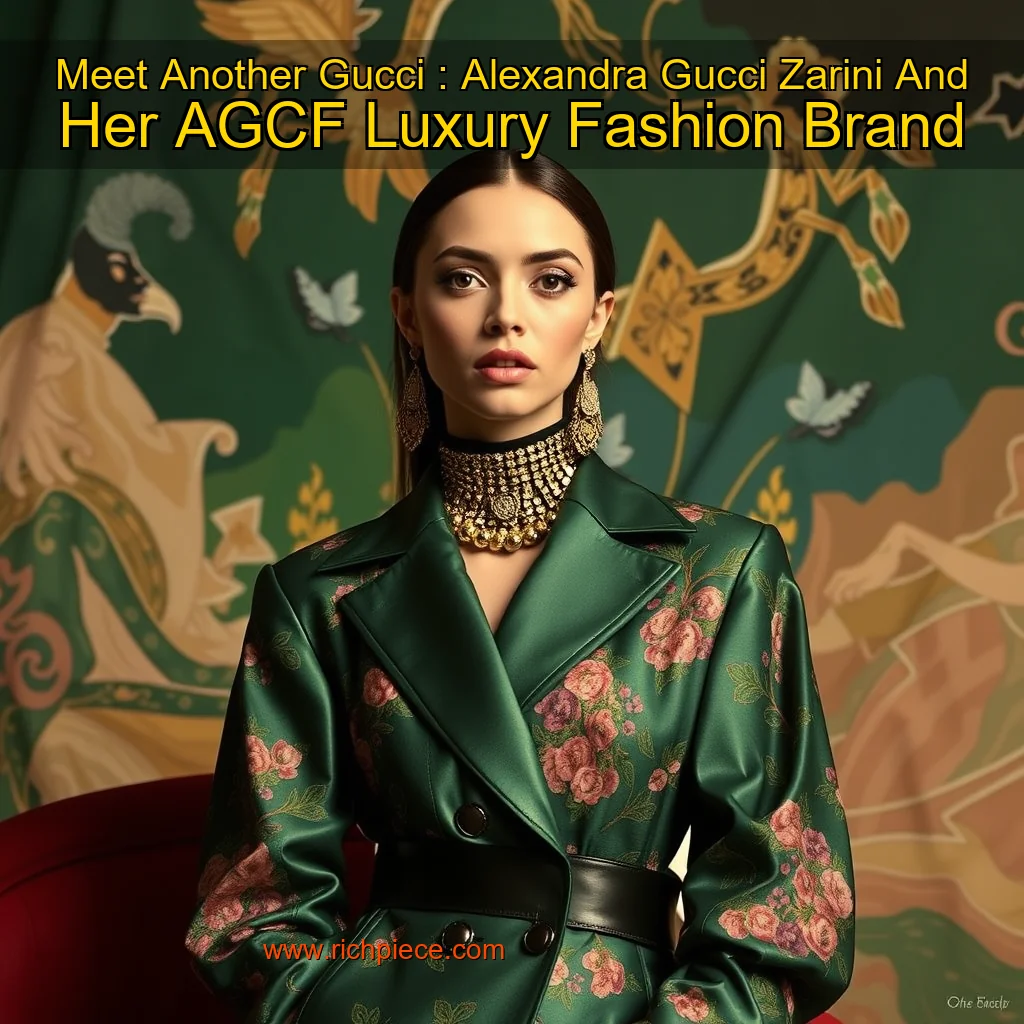
Gucci’s downfall is a cautionary tale of how a brand can lose its way and fail to adapt to changing times.
The Rise of Gucci
Gucci was once the epitome of luxury and style. Founded in 1921 by Guccio Gucci, the brand quickly gained popularity for its high-quality leather goods and sophisticated designs. In the 1950s and 1960s, Gucci became synonymous with the “Italian Renaissance” of fashion, and its iconic Bamboo handbag and signature interlocking GG logo became status symbols among the elite.
The Golden Age of Gucci
The 1980s and 1990s are often referred to as the “Golden Age” of Gucci. During this period, the brand was led by the visionary and flamboyant creative director, Tom Ford. Ford’s designs were a masterclass in elegance and sophistication, and his influence helped to establish Gucci as a global powerhouse in the fashion industry. The brand’s popularity soared, and its products became highly sought after by fashionistas and celebrities alike.
The Decline of Gucci
However, as the 2000s approached, Gucci began to experience a decline in fortunes. The brand’s focus shifted from its heritage and legacy to a more commercial and fast-fashion approach. This led to a loss of authenticity and a watering down of the brand’s values.
We want to make a positive impact while creating high-quality products that people love,” says AGCF founder, Rachel.
The Mission of AGCF
AGCF is driven by a mission to create a more sustainable and equitable world. The company’s purpose is to make a positive impact on the world while creating high-quality products that people love.
Alexandra’s vision is to create a new luxury brand that is not only high-end but also sustainable and socially responsible.
The Visionary’s Journey
Alexandra’s journey to creating a luxury brand that embodies sustainability and social responsibility began with her great-grandfather and grandfather’s legacy. Growing up, she was fascinated by the stories of their entrepreneurial spirit and the impact they had on the luxury industry. As she delved deeper into the world of luxury, Alexandra realized that the industry was not only about high-end products but also about the values and principles that guided its creation.
The Problem with Traditional Luxury
Traditional luxury brands often prioritize profit over people and the planet. The industry’s focus on exclusivity and scarcity can lead to a sense of elitism, where only a select few have access to the luxury goods and experiences. This can perpetuate social and economic inequalities, as those who cannot afford luxury goods are often left behind.
The couple has been working tirelessly to promote awareness and create a more sustainable and equitable fashion industry.
The Power of Luxury Fashion to Drive Change
Luxury fashion has long been associated with exclusivity, opulence, and high-end quality. However, for Alexandra and Josef Zarini, luxury fashion is more than just a status symbol – it’s a powerful tool to drive change. As a couple who has been working in the fashion industry for years, they have witnessed firsthand the numerous ethical breaches that plague the luxury industry.
The Dark Side of Luxury Fashion
The brand’s first fragrance, “Unità,” was released in May 2024, with a second fragrance, “Unità Eau de Parfum,” following in October 2024.
The Birth of ACGF: A New Luxury Brand Emerges
ACGF, the acronym for “Alessandro Campana Giuseppe Ferrero,” marks the latest addition to the world of luxury fashion. Launched in April 2024, this new brand has already made a significant impact with its unique and sophisticated designs.
The brand’s first full-scale retail experience will open in Tokyo in 2024.
The Rise of AGCF
AGCF, short for “Aesthetic Gallerie Collective Fashion,” is a luxury fashion brand that has been making waves in the industry with its unique and eclectic approach to fashion. The brand’s debut collection, which was showcased at Paris Fashion Week, was met with critical acclaim and attention from fashion enthusiasts worldwide.
Key Features of AGCF
The luxury market in Japan is dominated by a few large companies, but there are also many smaller, family-owned workshops.
The Luxury Market in Japan
The luxury market in Japan is a unique and fascinating space, driven by a strong demand for high-quality products and a deep appreciation for craftsmanship.
“We try to be as environmentally friendly as possible.”
The AGCF Brand: A Sustainable Fashion Pioneer
The AGCF brand is a testament to the power of innovation and sustainability in the fashion industry. As a pioneer in eco-friendly fashion, AGCF is leading the way in reducing waste and promoting environmentally responsible practices. In this article, we will delve into the world of AGCF and explore the brand’s commitment to sustainability, its unique approach to fashion, and the impact it’s making in the industry.
The AGCF Brand’s Commitment to Sustainability
AGCF’s commitment to sustainability is evident in its design process. The brand’s founders, Alexandra and her team, are dedicated to creating clothing that not only looks great but also does good for the planet. From using recycled materials to reducing waste in production, AGCF is constantly seeking ways to minimize its environmental footprint. Key sustainability initiatives: + Using recycled materials in designs + Reducing waste in production + Implementing environmentally friendly production methods + Partnering with suppliers who share the brand’s commitment to sustainability
The AGCF Brand’s Unique Approach to Fashion
AGCF’s approach to fashion is centered around creating clothing that is both stylish and sustainable.
“I wanted to create a brand that would shine a light on the values that I believe in, and that would be a beacon for others who share those values.”
The Visionary Behind AGCF
Alexandra, the founder of AGCF, is a true visionary. Her mission is not just about creating a luxury brand, but about creating a movement. She envisions a world where luxury is not just about material wealth, but about living a life that is true to one’s values and principles.
The Problem with Traditional Luxury
Traditional luxury brands often prioritize profit over people and the planet. They prioritize the pursuit of wealth and status over sustainability and social responsibility. This has led to a culture of excess and waste, where the focus is on the external trappings of success rather than the internal values that drive it. The fashion industry, in particular, has been criticized for its environmental impact, with fast fashion contributing to pollution, waste, and climate change. The luxury goods market is also plagued by issues of labor exploitation, with workers often being paid low wages and subjected to poor working conditions.*
The AGCF Difference
AGCF is committed to changing this narrative. By prioritizing sustainability, social responsibility, and transparency, the brand is creating a new standard for luxury. Here are just a few ways in which AGCF is different: